As we mark this year’s Day of the African Child, celebrated under the theme “Planning and Budgeting for Children’s Rights: Progress Since 2010,” we are reminded of the urgent need for governments, communities, and stakeholders to renew their commitment to fully realizing children’s rights across all areas essential to their growth and wellbeing.
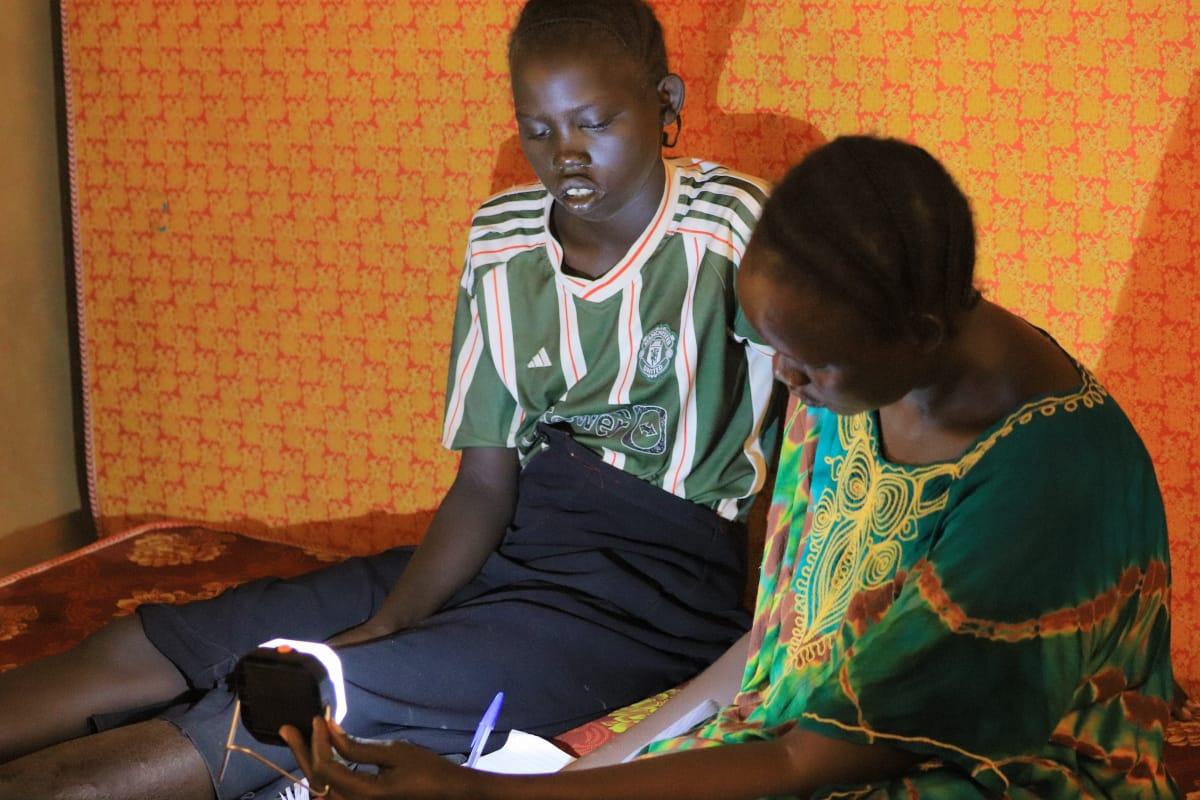
In Kakuma, 15-year-old Princess Atabo, a vibrant young learner in ninth grade at Kakuma Arid Zone Primary School in Turkana West Sub County moves through her school day with a new sense of freedom and pride. A few years ago, her school life was shaped by discomfort and risk, with something as routine as going to the toilet becoming a daily ordeal.
With over 230 girls in her boarding school relying on a single block of toilets, long queues were inevitable. Girls often missed class simply waiting for their turn. At night, walking to the far-flung washrooms was dangerous. They would wake each other up and move in groups, a quiet strategy to protect themselves in the darkness. The fear was real, and so was the lost time.
However, this situation began to change when the school became a beneficiary of TeachWell, a multi-year initiative strategically designed to strengthen education systems and improve learning outcomes in Kenya’s refugee-hosting counties.
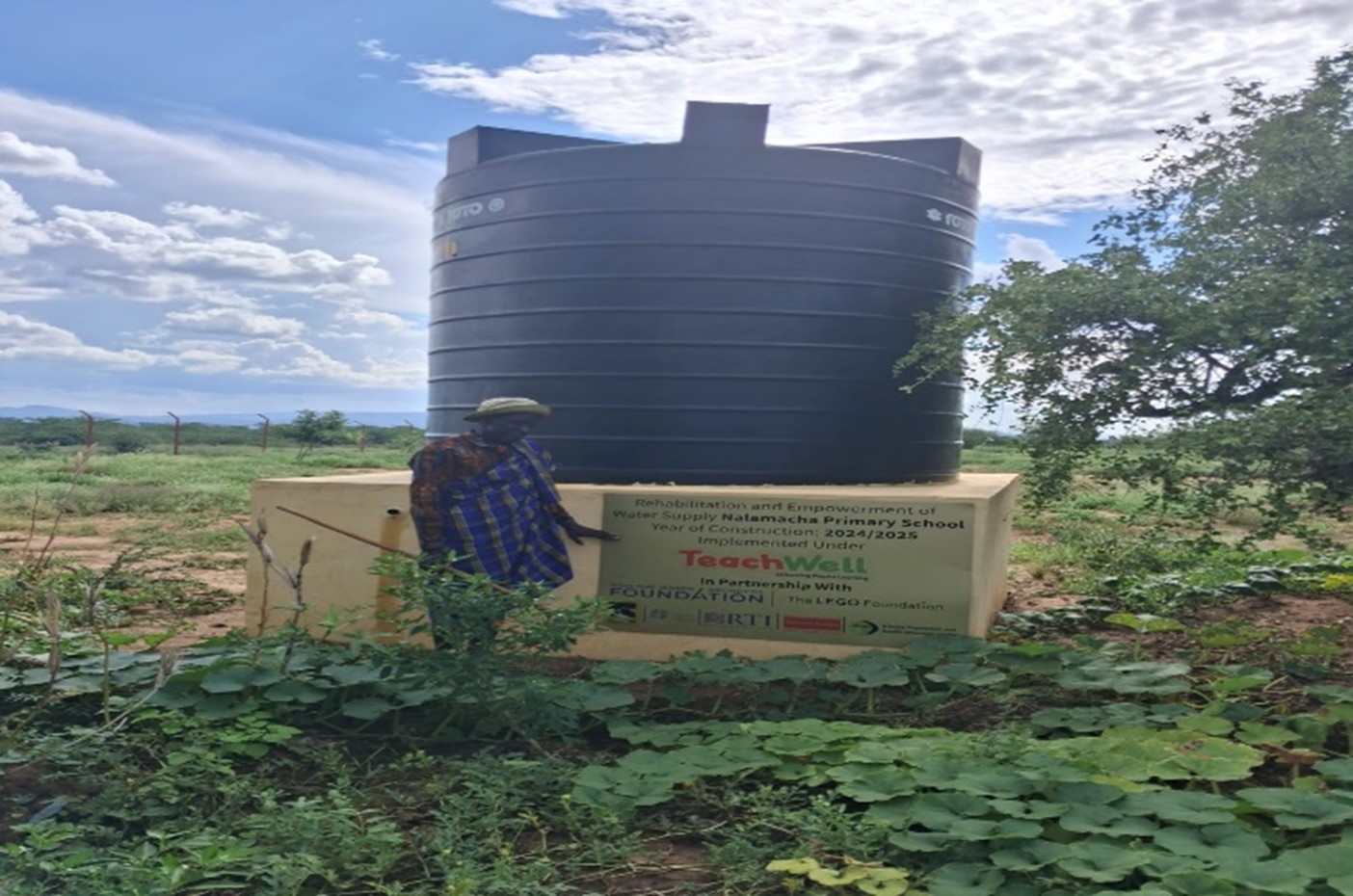
Through TeachWell’s crisis Modifier component, the school received a new girls’ washroom block and a steady supply of clean water thanks to International Rescue Committee’s (IRC) installed water tank. For the girls, this was more than infrastructure, it meant their dignity being restored.
Princess now speaks confidently about her school experience. “When us girls get our menses, we can now easily shower and go back to class. We don’t have to go home or hide for the rest of the day. I feel clean, safe, and confident.” She explains.

Portrait of Princess Atabo: Photo by Marion Chepngetich/ The IRC
Princess tells us that now, for all her and her classmates, their grades have improved, class attendance is consistent, and her dream of becoming a surgeon no longer feels so far-fetched.
Under Outcome 4 of the TeachWell project, schools like Princess’s benefit from a Crisis Modifier mechanism, a flexible funding window that ensures learners, teachers, and caregivers can continue learning even in the face of crises such as droughts, floods, or disease outbreaks. The Crisis Modifier strengthens the resilience of school communities, supporting Learning through Play, psychosocial wellbeing, and recovery strategies so that when emergencies strike, education doesn’t stop, it adapts.

Learners at Kakuma Arid Zone Primary School fetching water for personal use: Photo by Marion Chepngetich/ The IRC
For students like Josephat Arot, also in Grade 9 at St. Teresa Pelekech Primary School in Kakuma, located in the host community, this resilience is already making a difference. When he first came to the school in 2017, there was no water on site.
He and his classmates had to walk for two hours every morning just to fetch water missing lessons and arriving already exhausted. Now, thanks to TeachWell support and water infrastructure made possible through the Water Sanitation and Hygiene (WASH) Component, funding, those walks are a thing of the past.

Portrait of Josephat Arot: Photo by Marion Chepngetich/ The IRC
“We arrive, clean up, and start learning by 7 a.m. We’re not wasting time anymore,” says Josephat, who dreams of becoming a videographer. His focus has shifted from survival to self-expression. He’s actively participates in class, and his grades have greatly improved.
This shift is part of TeachWell’s broader effort to support the development of safe and supportive school environments by complementing government efforts in delivering WASH services in schools across Turkana West. The initiative is also about strengthening hygiene practices and extending WASH awareness to the surrounding communities. This integrated approach is helping reinforce healthy habits both in school and at home, ensuring children can learn in dignity and safety.
As we mark this year’s Day of the African Child, celebrated under the theme “Planning and Budgeting for Children’s Rights: Progress Since 2010,” we are reminded of the urgent need for governments, communities, and stakeholders to renew their commitment to fully realizing children’s rights such as Princess’ and Josephs’ across all areas essential to their growth and wellbeing.
From access to quality education and healthcare to protection, nutrition, water, sanitation, and play children’s rights must be at the center of planning, budgeting, and policy implementation.
Ensuring children’s rights means investing in access to quality education, safe and hygienic facilities, clean water and nutritious food, health care, protection from violence and exploitation, psychosocial support, inclusive environments for children with disabilities, and emergency response systems that keep learning uninterrupted during crises.
Such comprehensive planning and budgeting are critical to building resilient systems that respond to children’s needs in all circumstances. These are not optional add-ons but fundamental rights that must be prioritized through sustained, accountable action to give every child the opportunity to thrive.